We spent 8 months testing every mainstream rodent control method: poisons, traps, ultrasonic devices, and scent barriers. What we found will make you rethink the $6 snap trap in your kitchen drawer.
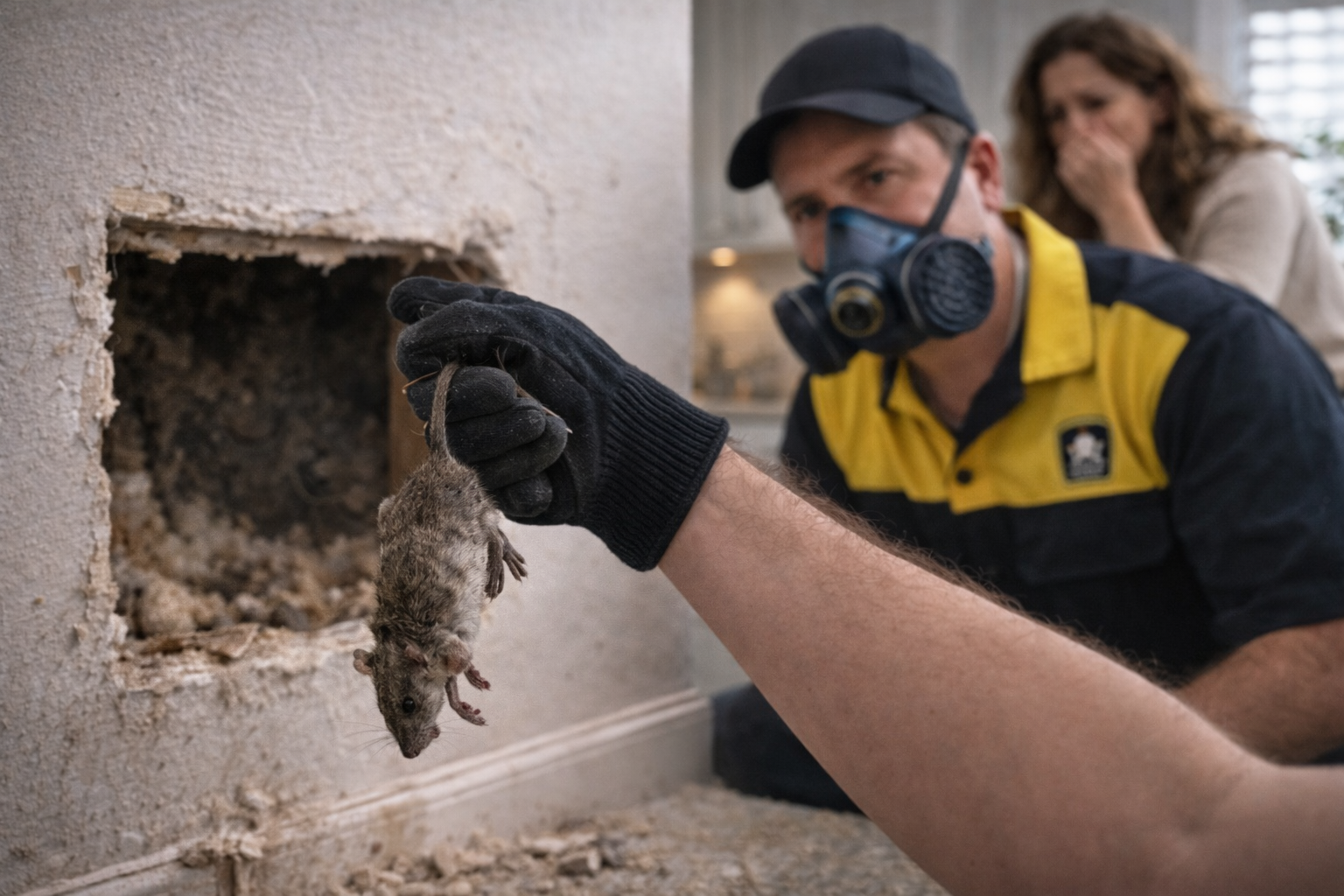
Last winter, a homeowner in Ohio reached out to us after spending $1,200 opening up drywall. Her exterminator had found four decomposing mice inside her wall cavity.
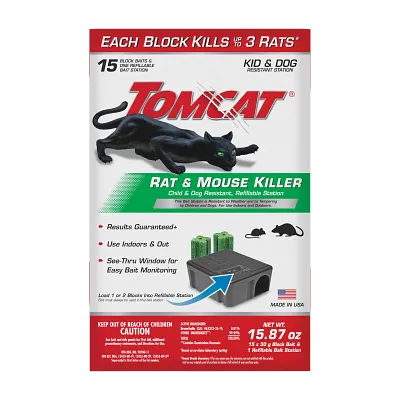
Every one of them had eaten poison bait she'd placed in the garage three weeks earlier. The smell had been unbearable for weeks. She'd assumed the poison was working.
It was. That was the problem.
This is the story most pest control brands don't want you to think about. Poison kills rodents, but it doesn't control where they die.
A mouse that ingests rodenticide crawls into the nearest dark, enclosed space it can find: wall insulation, floor cavities, attic crawlspaces.
What follows is three to six weeks of decomposition odor, potential maggot activity, and, in poorly ventilated homes, bacterial contamination spreading through HVAC systems.
There's a term for what happens to your walls and insulation when this cycle repeats season after season. Hidden wall rot. It's far more common than the pest control industry acknowledges, and it's entirely preventable if you choose the right method from the start.
We set out to answer a question no one in this space wants to address directly: which rodent control methods solve the problem, and which ones just trade one problem for a worse, more expensive one?
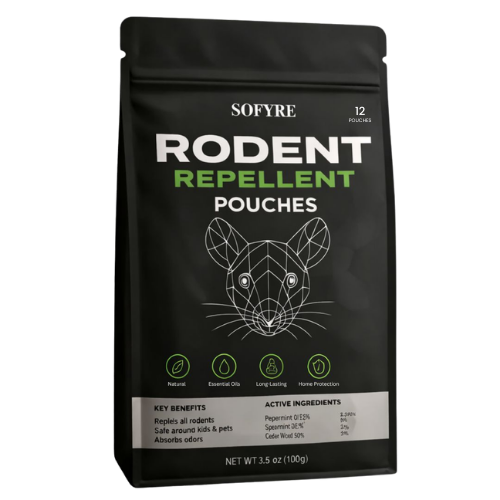
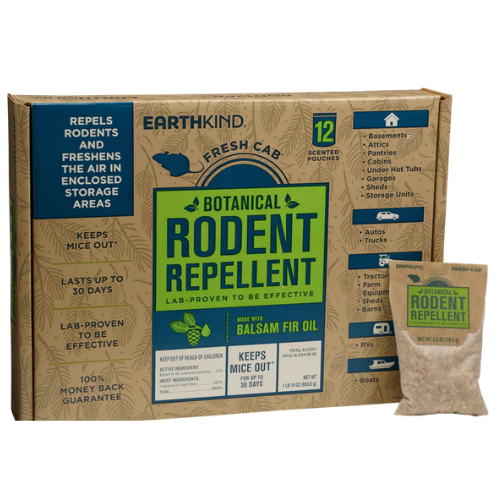
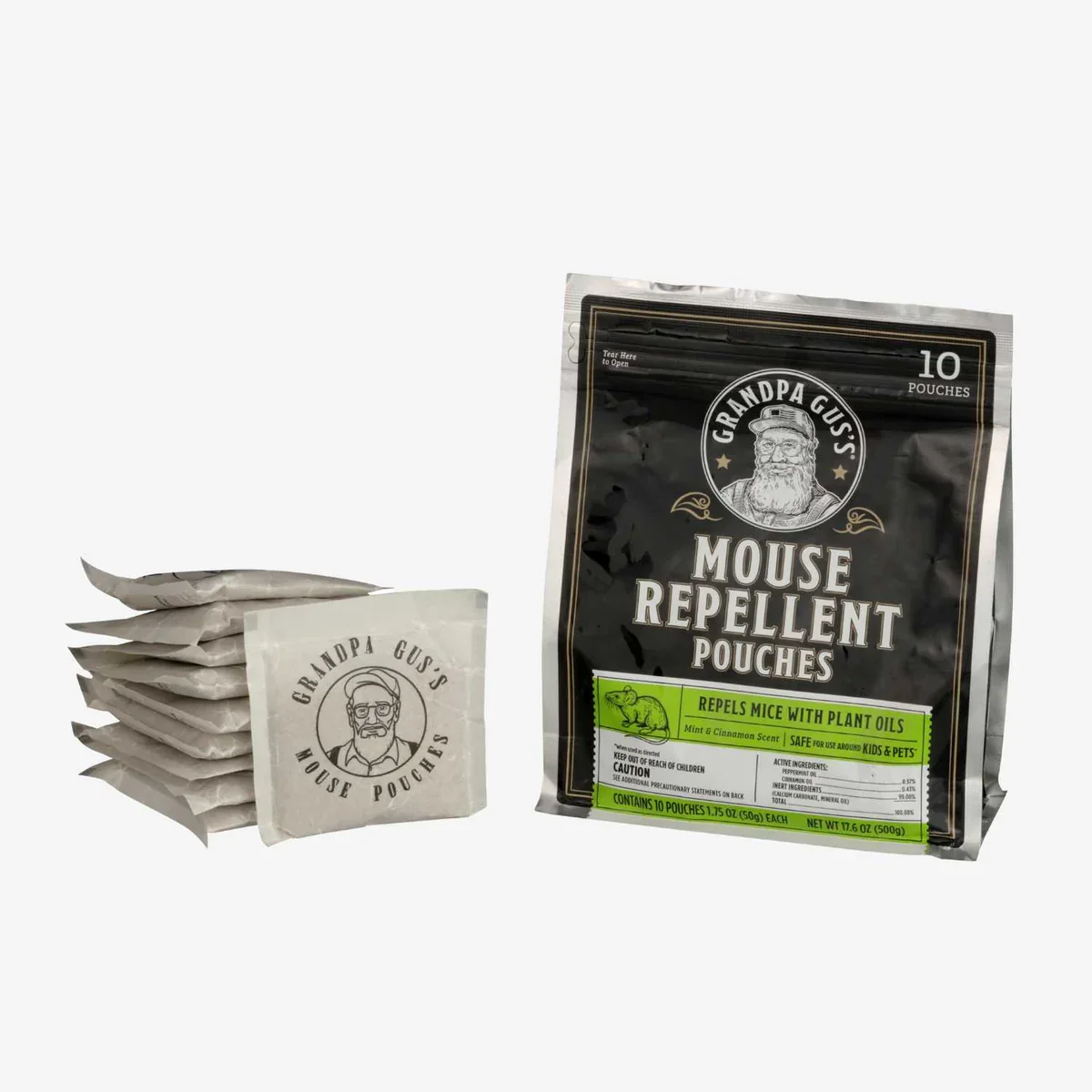
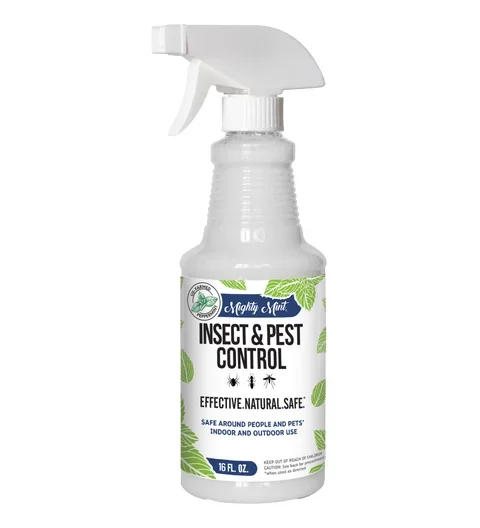
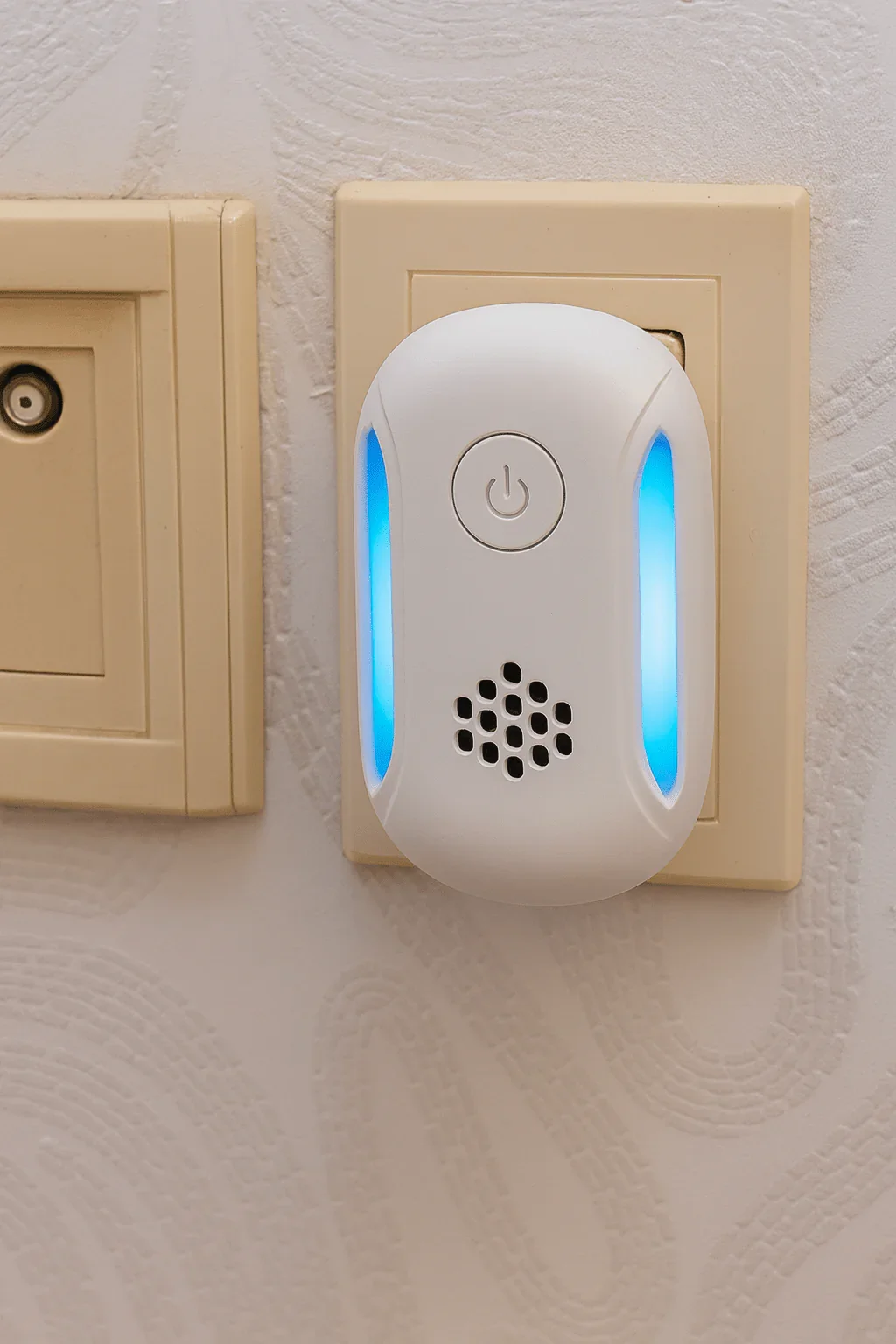
We tested every major approach: poison bait, snap and glue traps, ultrasonic devices, and scent barrier pouches, and ranked them on the criteria that matter in a real home with a real family. Here's what we found..